What is EURAS? Uniting families, clinicians, and scientists to change the future of RASopathies
RASopathies are rare genetic conditions that affect both physical and cognitive development. While some treatments help manage physical symptoms, there are still no therapies that address the learning, memory, and behavioural challenges many patients and their families face.
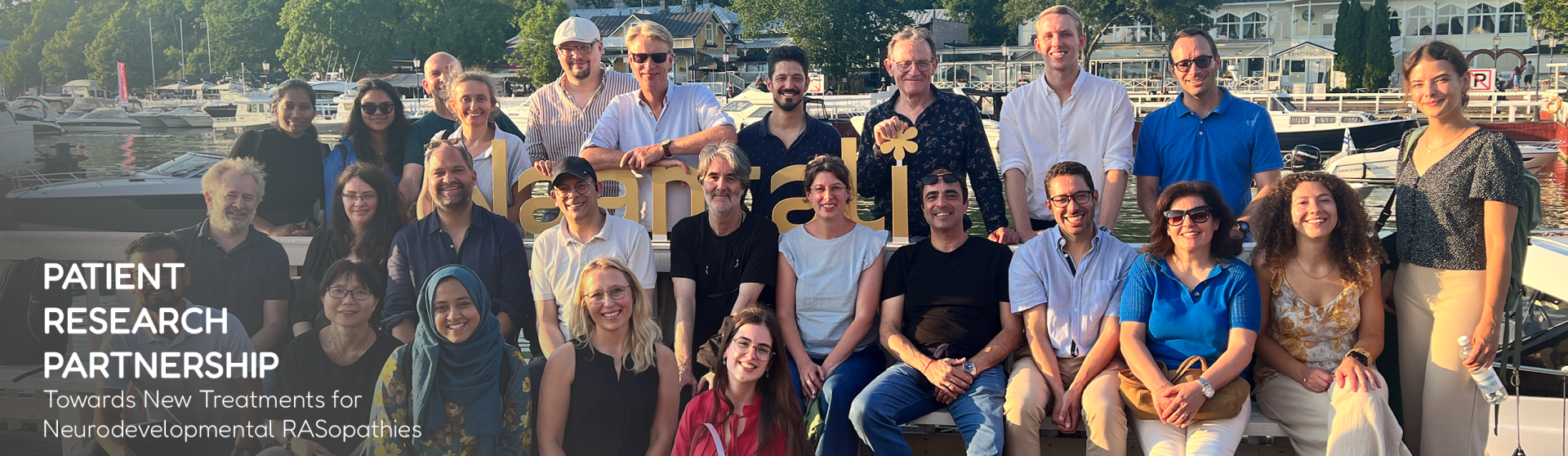
The EURAS project was born from a parent’s determination to change that. In 2021, the father of a child with a neurodevelopmental RASopathy refused to accept that there were no targeted treatments available for his son. Together with the German patient organisation Syngap Elternhilfe e.V., he began building connections across Europe. What started as one family’s mission has now grown into a network of 14 research and clinical teams across 8 countries. All working together to bring new hope to those living with RASopathies.
Since the very beginning, EURAS has believed that patients, families, and caregivers are partners in research, not just participants. By building bridges between researchers and the patient community, we aim to speed up diagnosis, understand each condition more deeply, and develop truly effective therapies.
